
💡 Pro-Tip: Turn your 10 minutes into a goal-crushing session.
A 10-minute timer is perfect for rapid planning. Discover how to use these short windows effectively in our guide on Timer-Based Goal Setting, which teaches you how to decompose massive projects into actionable 10-to-15-minute bursts.
The Science of 600 Seconds: How a 10-Minute Timer Breaks Procrastination
While your countdown is running, consider that a 10 minute timer is more than a simple clock: it’s a small, deliberate boundary that can make starting a task feel less daunting. Committing to just 10 minutes lowers the bar for beginning, which is often the hardest part of tackling something you’ve been avoiding.
Short, defined intervals like this are a well-established way to shift out of a distracted or avoidant state and into a more focused one, without needing a long run-up. Whether you’re running a quick team stand-up or taking a mental reset, ten minutes is long enough to make real progress and short enough to feel achievable.
Table of Contents
10-Min Momentum vs. Standard Focus
A short, defined interval like this tends to feel easier to start than open-ended “just focus” time, mainly because there’s a visible finish line rather than an indefinite stretch ahead of you.
The 10-Minute Standard for Classrooms & SEN
In classroom settings, a visible 10-minute countdown is often used for independent practice time, giving students a clear, predictable endpoint to work toward.
Some teachers and parents find a visual timer like this helps children who find open-ended tasks overwhelming by turning the work into something with a defined finish line. As with any classroom tool, what works varies by child, and this isn’t a substitute for guidance from a teacher or specialist who knows the individual student.
Shifting Into Focus Mode
There’s no fixed number of seconds it takes to shift out of a wandering, distracted mode of thinking (what neuroscientists call the default mode network) and into a focused, task-oriented one. But a defined 10-minute block is long enough for most people to settle into a task, and short enough that starting doesn’t feel like a big commitment.
Batching Similar Tasks
Working in defined batches like this can also help with attention residue: the lingering focus on a previous task that makes it harder to fully engage with a new one.
Grouping similar quick tasks into a single timed block, rather than switching between them constantly, gives your attention a cleaner break between batches.
Getting Past the Initial Resistance
The resistance you feel when starting a difficult task is real, even if the exact mechanics of it aren’t fully mapped by neuroscience. What tends to help is simply outlasting that initial reluctance: many people find that once they’re a few minutes into a task, the urge to quit fades and continuing feels far easier than starting did. A 10-minute timer gives you a concrete point to push through to before deciding whether to keep going.

Scaling Your Endurance: Level 2
Struggling? Return to Level 1: 5-Minute Neural Priming.
Timeboxing Meetings: Scaling Efficiency with a 10 Minute Timer
Standard meetings are the primary productivity killers of the modern office. By implementing a 10-minute timer for team stand-ups, you leverage Parkinson’s Law, the principle that work expands to fill the time available.
When the clock is visible and counting down 600 seconds, participants are biologically primed to ignore filler talk and focus on immediate deliverables. Use this tool to hard-cap your brainstorm sessions and ensure every minute spent has a clear ROI through effective time-boxing.

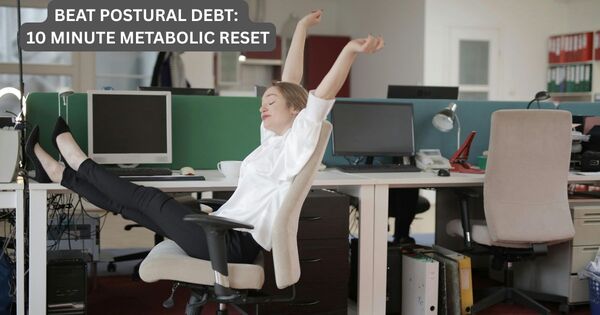
600 Seconds of “Micro-Movement”: The Metabolic Reset Protocol
Sitting for extended periods can leave you feeling sluggish and foggy. There’s a growing body of research on “exercise snacks”: short bursts of activity, like a few minutes of brisk stair climbing, spread through the day.
Studies have found these brief bouts can meaningfully improve blood sugar control and insulin sensitivity, especially when they break up long periods of sitting. A 10-minute timer is a convenient way to remind yourself to take one of these movement breaks.
The “10-Minute Blitz”: Environmental Priming for Deep Focus
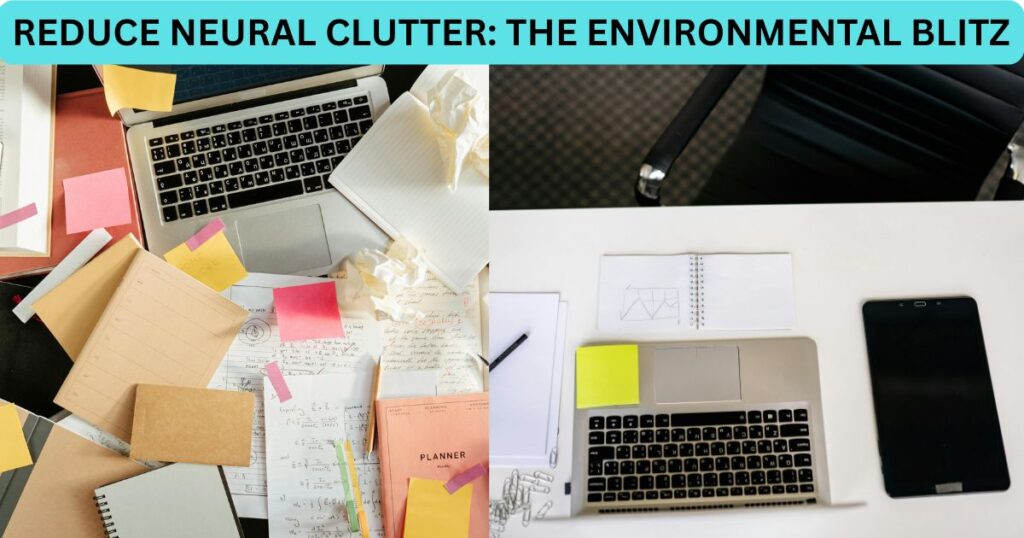
Your physical environment is a direct reflection of your mental clarity. A cluttered workspace creates a constant visual tax on your prefrontal cortex, leading to sensory overload from competing visual stimuli. Before starting a deep work session, set your 10-minute timer for an “Environmental Blitz.” This isn’t about deep cleaning; it’s about removing the neural clutter from your field of vision, effectively reducing your cognitive load and priming your brain for the high-intensity focus session to follow.
Troubleshooting the Sprint: Why Your 10 Minute Timer Fails
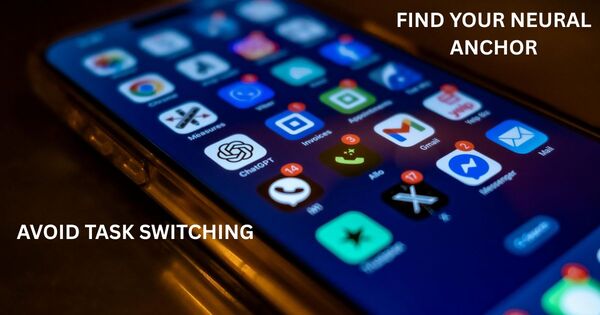
If you find yourself checking your phone halfway through the countdown, that’s ordinary task switching, not a special phenomenon. Each time you glance at a notification, you have to re-orient back to what you were doing, which costs more time and focus than the glance itself. To get the most out of the 10 minutes, close the tabs and apps you don’t need and commit to the one task until the alarm sounds.
Frequently Asked Questions: Why 10 Minutes is the Momentum Sweet Spot
Is a 10-minute timer enough for Deep Work?
No. Think of 10 minutes as the launchpad rather than the destination. It’s meant to get you past the initial resistance to starting, not to replace a longer focused session once you’re underway.
How does this compare to the 25-minute Pomodoro?
The 25-minute block is for execution; the 10-minute block is for initiation. If a large project feels overwhelming to even start, 10 minutes is short enough to feel manageable, yet long enough to build real momentum.
Can I use this for Habit Stacking?
Absolutely. Pair your 10-minute timer with a new habit, like meditation or journaling, to create a consistent trigger that’s easy to maintain without burning out.
Can I ask Google or Alexa to set a 10 minute timer?
Yes. Saying “Hey Google, set a timer for 10 minutes” or the equivalent to Alexa or Siri works instantly. Come back here when you want the visible countdown, the progress bar, or the custom duration options.