Stress Management Techniques: 10 Quick Daily Practices to Reduce Anxiety
You feel the tension building. Your shoulders tighten. Your thoughts race. Your chest feels heavy. Stress doesn’t announce itself politely; it crashes into your day and refuses to leave.
Most stress management techniques you’ve encountered may be impractical. “Take a weekend retreat.” “Practice yoga for an hour.” “Meditate for 30 minutes daily.”
These suggestions work wonderfully if you possess unlimited time and zero responsibilities. For everyone else, they’re useless.
This guide offers stress management techniques that can be easily integrated into a real day. Ten practical stress management techniques that take 2-5 minutes each.
No special equipment.
No quiet sanctuary required.
Just proven methods that reduce anxiety when you need them most, which is now.
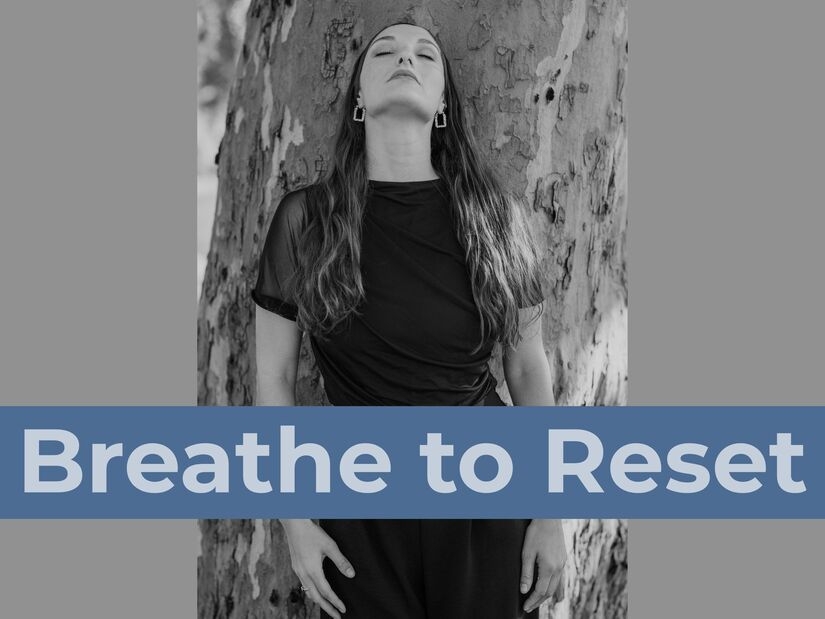
1. Five-Minute Breath-Focus Meditation
Research from the American Psychological Association shows that brief meditation reduces cortisol (your primary stress hormone) and activates your parasympathetic nervous system, your body’s natural calming system.
You don’t need to “clear your mind” or achieve some mystical state. You simply need to notice your breath for five minutes.
Set a 5-minute timer. Sit comfortably. Close your eyes. Notice your breath. When your mind wanders (it will), gently bring your attention to your breath. That’s it. The practice isn’t preventing wandering thoughts. The practice is noticing you’ve wandered and returning to breath awareness.
Why this works: Your breath connects directly to your nervous system. Slow, conscious breathing signals safety to your brain. Your body cannot maintain high stress whilst breathing slowly and deliberately.
When to use it: in the morning, before starting work. During lunch break. Before bed. Anytime you notice tension building.
2. Box Breathing for Instant Calm
Box breathing, also known as square breathing, gives your racing mind something specific to do instead of spiralling through anxious thoughts.
The pattern: Breathe in for 4 counts. Hold for 4 counts. Breathe out for 4 counts. Hold empty for 4 counts. Repeat for 3 minutes.
Set a 3-minute timer and complete five full cycles. Each cycle takes approximately 16 seconds, so five cycles equal roughly one minute. Complete 15 cycles total across your 3-minute session.
Studies on controlled breathing demonstrate that equal-length inhales and exhales balance your autonomic nervous system, the system that governs your stress response.
Why this works: The counting gives your mind a task to focus on. When your mind focuses on counting, it cannot simultaneously catastrophise about your presentation tomorrow or replay that awkward conversation from yesterday.
When to use it: Before important meetings. When you feel panic rising during arguments, you need to respond calmly rather than react emotionally.
3. Progressive Muscle Relaxation
You’re holding tension in your body right now. You might not notice it until you deliberately check, but your shoulders are probably elevated, your jaw might be clenched and your hands could be forming slight fists.
Progressive muscle relaxation teaches you to notice and release physical tension.
Set a 5-minute timer. Starting with your feet, tense each muscle group for 5 seconds, then release completely. Move upward: feet, calves, thighs, stomach, chest, hands, arms, shoulders, neck, face. The entire sequence takes about 4-5 minutes.
Why this works: Research on progressive muscle relaxation shows it reduces both physical tension and the anxious thoughts that accompany it. When you release physical stress, mental tension follows.
When to use it: Before sleep (it improves sleep quality significantly). After stressful interactions. During work breaks, to prevent tension accumulation.
4. The 5-4-3-2-1 Grounding Technique
Anxiety pulls you out of the present moment. You’re either replaying the past or dreading the future. The 5-4-3-2-1 technique helps refocus your attention on the present moment.
Name 5 things you can see. Look around. Actual specific things: blue pen, wooden desk, white wall, green plant, black coffee mug.
Name 4 things you can touch. Notice the textures: the smooth phone screen, the rough fabric of your jeans, the cool metal of your ring and the soft armrest.
Name 3 things you can hear. Listen for actual sounds: distant traffic, air conditioning hum, typing from another room.
Name 2 things you can smell. If you can’t smell anything where you are, name 2 things you like the smell of.
Name 1 thing you can taste: your coffee, your lunch, or simply the current taste in your mouth.
This exercise takes 2-3 minutes. Set a 2-minute timer if you need structure.
Why this works: Anxiety exists only in the past or future. When you focus intensely on the present sensory experience, anxiety cannot maintain its grip.
You’ve redirected your attention from abstract worry to concrete reality.
When to use it: During panic attacks. When ruminating thoughts won’t stop. Before presentations or performances.
5. Five-Minute Stream-of-Consciousness Writing
Your mind contains thoughts that need to be expressed. When you suppress them, they gain power. When you write them down, you reduce their intensity.
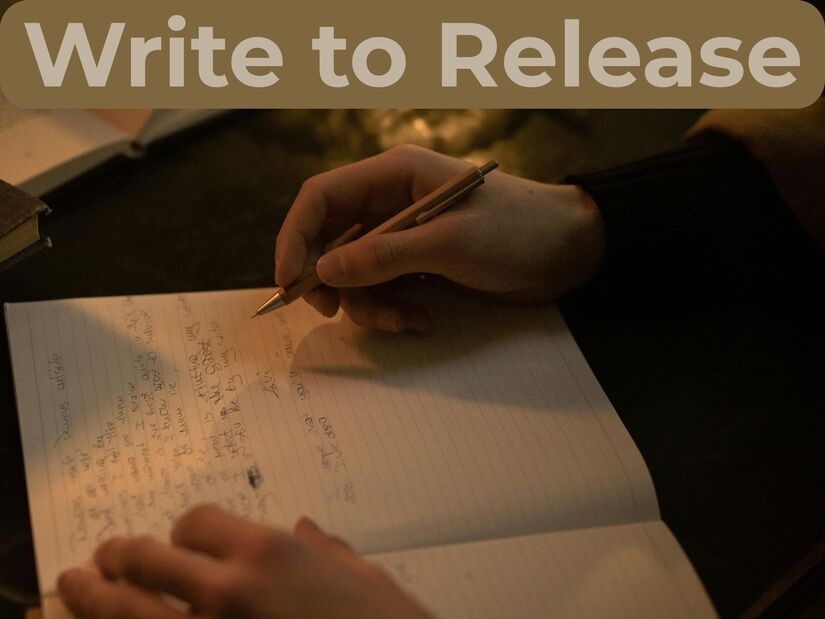
Grab a piece of paper or open a blank document. Set a 5-minute timer. Write continuously without stopping. Don’t edit.
Don’t worry about grammar, spelling, or sense-making.
Write whatever enters your mind. If you can’t think of anything, write “I can’t think of anything” until something else arrives.
The rule: Your pen (or fingers) must remain in motion for the full 5 minutes. No pausing. No rereading. Just continuous writing.
Why this works: Research on expressive writing demonstrates that externalising worries reduces their psychological impact. Writing transforms vague anxiety into specific concerns you can address.
When to use it: In the Morning (clears mental clutter before the day begins). Evening (processes the day’s stress before sleep).
Whenever you feel overwhelmed but can’t identify why.
6. The Three-Minute Walking Reset
Movement changes your mental state. When you move your body deliberately, your mind follows.
Set a 3-minute timer. Walk at whatever pace feels natural, not frantically, not slowly, just normal walking.
Focus on the physical sensation of walking: your feet contacting the ground, your arms swinging, your legs moving. If outdoors, notice your surroundings.
If indoors, walk in whatever space you have available.
The focus isn’t on distance covered. The focus is present-moment awareness whilst moving.
Why this works: Research on movement and stress shows that brief physical activity reduces cortisol while increasing endorphins. Walking also interrupts anxious thought patterns by changing your environment.
When to use it: Between difficult tasks. After tense conversations. When you’ve been sitting for hours. When mental fatigue sets in.
7. Body Scan Meditation
Similar to progressive muscle relaxation but less active. You simply notice sensation in each body part without trying to change anything.
Set a 5-minute timer. Lie down or sit comfortably. Close your eyes.
Starting with your toes, slowly move attention up your body: toes, feet, ankles, calves, knees, thighs, hips, stomach, chest, fingers, hands, arms, shoulders, neck, face, head.
Notice whatever sensation exists in each area, warmth, coolness, tension, relaxation, tingling, numbness or nothing particular.
You’re not trying to relax each part. You’re simply noticing what exists there.
Why this works: Stress keeps you in your head. Body scanning returns you to physical awareness. This shift from mental to physical grounds you in present experience.
When to use it: Before sleep. During lunch breaks. When feeling disconnected or dissociated.
8. Two-Minute Gratitude Practice
Gratitude shifts attention from what’s wrong to what’s working. This isn’t toxic positivity, it’s strategic attention management.
Set a 2-minute timer. Identify three specific things you’re grateful for today.
Be specific.
Not “my family” but “my partner made me coffee this morning without me asking.”
Not “my health” but “I walked up three flights of stairs without getting winded.”
Why this works: Your brain cannot simultaneously feel grateful and anxious. Research on gratitude practices shows they reduce stress hormones and improve mood within minutes.
When to use it: End of workday (transitions you from work stress to personal time). Before meals. During commutes.
9. Three-Minute Guided Visualisation
Your brain responds to imagined scenarios almost as strongly as real experiences. Use this to your advantage.
Set a 3-minute timer. Close your eyes. Imagine a place where you feel completely calm and safe. This could be real (a beach you’ve visited, your grandmother’s garden) or imaginary (a peaceful forest, a cosy cabin).
Build the scene in detail: What do you see? What sounds exist there? What temperature is it? What can you smell? Spend 3 minutes fully immersed in this calming environment.
Why this works: Your nervous system cannot distinguish between vividly imagined experiences and actual experiences.
When you visualise calm environments, your body produces the same relaxation response it would in those actual environments.
When to use it: Before stressful events. During overwhelming moments. When you need a quick mental escape.
10. The Cold Water Reset
When nothing else works, when you’re spiralling despite trying other techniques, cold water provides immediate physiological interruption.
Set a 2-minute timer. Splash cold water on your face. Hold cold water in your hands and press them against your face. Or run cold water over your wrists for 30-60 seconds.
Why this works: Cold water triggers your mammalian dive reflex, an automatic response that slows your heart rate and shifts blood flow.
This creates immediate physiological calming that overrides your psychological stress state.
When to use it: During panic attacks. When other techniques aren’t working.
When you need immediate interruption of escalating anxiety.
Making Stress Management Techniques Habitual
Knowing techniques accomplishes nothing. Using them consistently accomplishes everything. Here’s how to build actual practice.
Start with one technique for one week. Don’t attempt all ten simultaneously. Choose the technique that feels most accessible.
Use it once daily for seven days. After one week of consistency, add a second technique.
Link techniques to existing habits. Morning coffee plus 5-minute meditation. Lunch break plus 3-minute walking reset. Before bed, plus body scan.
Habit stacking works better than vague intentions.
Keep a two-week log. Mark each day you complete your chosen technique.
The visual feedback reinforces consistency. After 14 consecutive days, the technique becomes significantly easier to maintain.
Match techniques to specific stressors. Use box breathing before presentations. Use the grounding technique during panic. Use walking resets between difficult tasks. When you know which technique addresses which type of stress, you’ll actually use them.
For more on building consistent daily practices, see our guide on morning routine ideas.
Common Mistakes That Sabotage Stress Relief
Mistake 1: Waiting until you’re completely overwhelmed before using techniques.
Prevention works better than intervention. Use stress management techniques proactively, before stress escalates to crisis levels. Five minutes of morning meditation prevents hours of afternoon anxiety.
Mistake 2: Expecting immediate perfection.
Your mind will wander during meditation. Your body won’t fully relax during progressive muscle relaxation.
Your visualisation will feel forced initially.
This doesn’t mean you’re “doing it wrong.” It means you’re human.
The techniques work despite imperfect execution.
Mistake 3: Abandoning techniques that feel “too simple.”
Simple doesn’t mean ineffective. Box breathing feels almost ridiculous until you notice your racing heart has slowed.
The 5-4-3-2-1 technique seems too basic until it pulls you out of a panic attack. Don’t confuse simplicity with ineffectiveness.
Mistake 4: Using techniques only in isolation.
Stress management techniques work best when combined. Three-minute walking reset followed by two-minute gratitude practice. Five-minute meditation followed by five-minute stream-of-consciousness writing. Layering techniques compounds their effectiveness.
Frequently Asked Questions
How quickly do stress management techniques reduce anxiety?
Physical techniques (box breathing, cold water reset, progressive muscle relaxation) work within 2-5 minutes.
Mental techniques (meditation, visualisation, grounding) often take 5-10 minutes to produce noticeable calm.
Consistency over days increases both speed and depth of relief.
After two weeks of daily practice, most people report that the techniques work faster and more completely.
Can stress management techniques replace therapy or medication?
No. These techniques manage normal daily stress and mild-to-moderate anxiety. They do not treat clinical anxiety disorders, severe depression, trauma or other conditions requiring professional intervention.
If stress significantly impairs your daily functioning, consult a mental health professional.
These techniques can complement professional treatment but should not replace it.
What if I don’t have 5 minutes available?
Use shorter techniques.
Two-minute gratitude practice.
Two-minute cold water reset.
Even 30 seconds of box breathing provides some relief.
However, claiming you lack 5 minutes usually means you haven’t prioritised those 5 minutes.
You possess the time.
You might not possess the habit of using time for stress management rather than scrolling social media or continuing to work through stress.
Which stress management technique works best?
The technique you’ll actually use. The “best” technique differs between individuals and situations.
Breathing exercises work wonderfully for some people, whilst feeling forced for others.
Meditation clicks for some minds, whilst feeling impossible for others. Test all ten techniques. Keep the three that feel most natural. Those are your best techniques.
Should I use stress management techniques preventatively or only when stressed?
Both. Daily preventative practice (5-minute morning meditation, evening body scan) reduces baseline stress levels and makes you less reactive to stressors.
Situational practice (box breathing before presentations, grounding during panic) addresses acute stress as it arises. Combining preventative and situational use provides maximum benefit.
How long before stress management techniques become effective?
Single uses provide immediate physiological benefit (slower heart rate, reduced muscle tension) even if you don’t consciously feel calmer.
Consistent daily practice over 2-3 weeks produces noticeably improved stress tolerance, faster recovery from stressful events, and better emotional regulation.
After 6-8 weeks, most people report significantly reduced baseline anxiety and improved resilience.
Start with One Technique Tomorrow Morning
You now possess ten proven stress management techniques. Ten practices that reduce anxiety in minutes without requiring special equipment, training or ideal conditions.
Your action plan for tonight:
Choose one technique to implement tomorrow. Set up your timer, bookmark or app for the appropriate duration.
Decide specifically when you’ll use the technique: morning coffee, lunch break or before bed.
Commit to using this one technique daily for seven days. Nothing else. Just one technique, once daily, seven consecutive days.
Tomorrow morning, execute your chosen technique exactly as described.
Use the full time.
Don’t rush.
Don’t multitask.
Invest 2-5 minutes in reducing your stress rather than accumulating more.
Most people discover that once they’ve experienced genuine stress reduction from one technique, adding more becomes natural rather than forced.
The resistance to trying stress management techniques usually stems from scepticism that something so simple could actually work.
After experiencing it working, scepticism transforms into consistent practice.
Stress management techniques don’t eliminate stress from your life. They change how stress affects you.
Two people experience identical stressors. One possesses techniques to process and release that stress throughout the day.
The other carries accumulated stress for hours or days until it manifests as anxiety, insomnia, irritability, or illness.
Set your timer. Choose your technique. Use your 2-5 minutes deliberately.
Your nervous system will notice the difference immediately, even if your conscious mind takes a few days to register the change.

Dwayne is a productivity practitioner and the architect of the 2026 Focus Framework. As a self-taught specialist in cognitive endurance, he spent over a decade reverse-engineering task inertia and “flow-state” mechanics to create the systems found on 5 Minute Timer. Unlike theoretical consultants, Dwayne’s methodology is rooted in Neural Anchoring and zero-latency logic, practical tools developed through years of in-the-trenches testing. He specialises in helping high-performance professionals ‘drop in’ to awareness and activate the Task-Positive Network (TPN) to eliminate procrastination at the source.